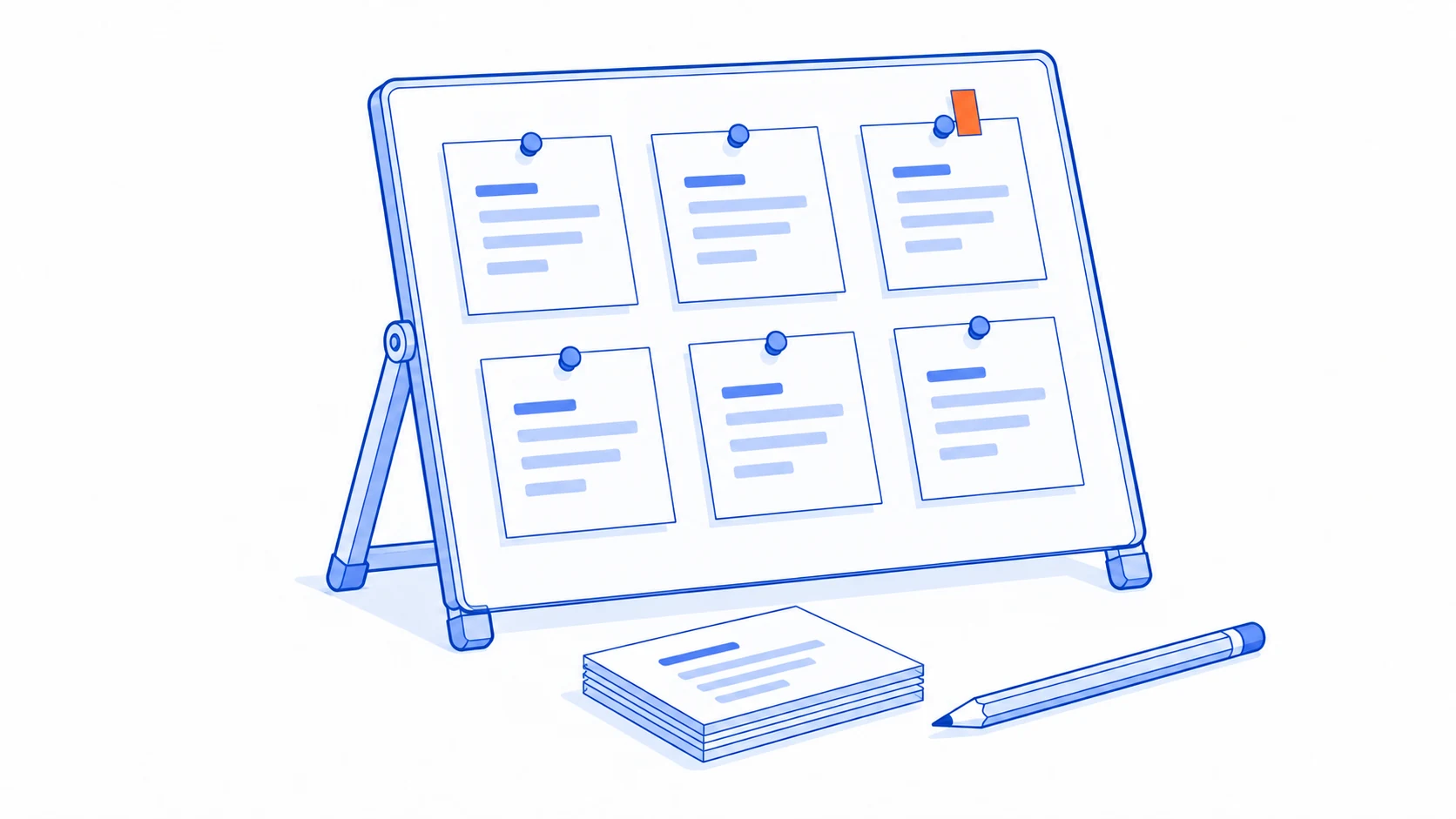
Several customers say they waited too long. One waited for a chat reply, another for return approval, and another for an order confirmation email. A report that groups all three under “slow service” still leaves the business unsure which team should change what.
AI can help read and group large amounts of feedback. Its value depends on connecting those groups to source incidents, specific stages of the customer experience and improvement work with an owner. A positive-versus-negative chart is only a limited view of that work.
Ask what happened, not only how the customer felt
Define the decision the analysis should inform. Perhaps the team needs to improve returns, decide between clearer product information and better status updates, or identify information missing from service responses. A concrete question helps determine which channels and periods belong in the review.
Consider three illustrative comments: “I don't know where to send it back,” “I returned it but nobody confirmed receipt,” and “I keep sending the same photos to different people.” They concern instructions, status visibility and information handoffs respectively, even though all relate to returns.
Ask the system to propose observable issue categories with supporting text. Do not immediately convert an experience into a root-cause claim. A missing confirmation may mean nothing was sent, it went to the wrong destination, or the recipient could not find it. The relevant system needs checking before a cause is established.
Preserve the source and define what is being counted
Feedback may arrive through chat, surveys, reviews and after-sales records. Keep the relevant date, channel, product or service, and a reference back to the source. Reviewers need to know which collection supports a conclusion.
Several messages from one customer across different channels may concern one incident. Counting each as a separate customer exaggerates frequency. Decide whether a report counts messages, incidents or reliably identifiable customers. If identities cannot be linked safely, state that limitation instead of matching people because their names look similar.
Do not treat every channel as an equally representative sample. People who post public reviews, complete post-purchase surveys and contact support about a problem enter the data in different ways. Describe whose feedback is represented rather than labelling one collection as the opinion of all customers.
Build categories reviewers can apply consistently
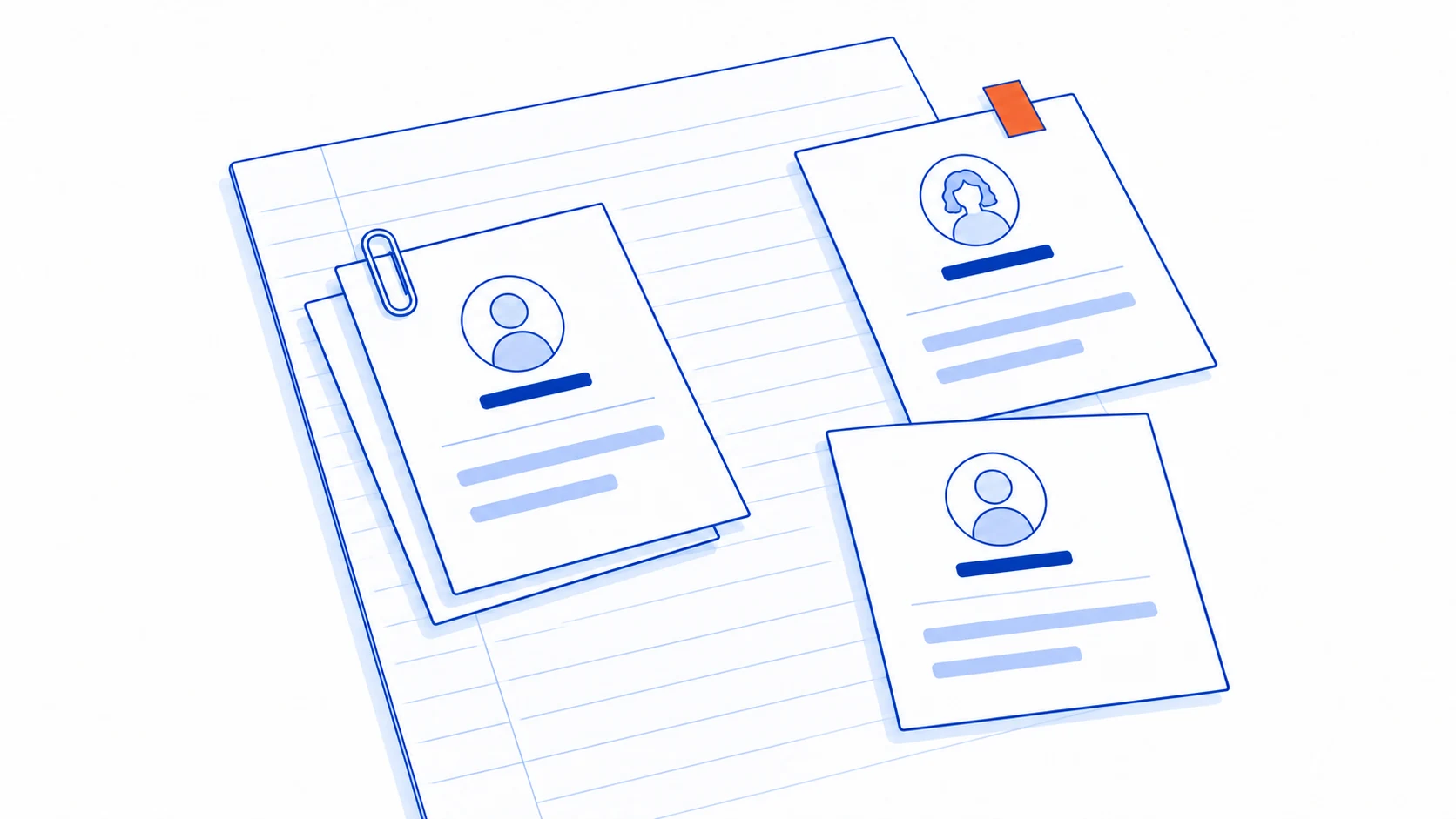
Broad labels such as product or service may be useful starting points, but they rarely define an improvement task. Include the stage and observable difficulty: before purchase, unclear differences between models; after purchase, unknown status; during returns, unclear document requirements.
Allow multiple categories when one comment contains several issues. Retain praise separately from the difficulty. “The agent was helpful, but I had to send my information again” should not collapse into a single emotional label that hides the information problem.
Keep a category for new or unclassified issues and have someone review it. Forcing everything into the existing taxonomy can hide emerging problems. Creating a new category for every wording variation produces fragmentation. Someone needs to maintain definitions and examples.
Microsoft's sentiment-analysis transparency note describes limitations including sarcasm and explains that confidence does not measure emotional intensity. A strongly negative classification is therefore not a substitute for assessing the event and its impact when setting priorities.
Answer four questions before choosing an improvement
Is the problem recurring, or is one incident mentioned repeatedly?
Inspect examples from different periods and sources to identify independent incidents. Show the count relative to the records reviewed within the same scope. Avoid comparing raw monthly totals without context when order volume or the available feedback channels changed substantially.
What does the problem prevent the customer from doing?
Separate a minor inconvenience from an inability to continue or incorrect information. Low frequency does not necessarily mean low importance. Issues requiring prompt attention under the business's policies need a direct escalation route rather than waiting for the next reporting cycle.
Is there enough evidence to select a remedy?
Feedback describes an experience; it does not always establish a technical cause. The next task may be checking a status history or asking a process owner to investigate. Keep observed findings separate from explanations that are still hypotheses.
Who can change the process, and how will improvement be assessed?
Assign the issue to somebody who can change the relevant information or workflow. Define the intended result, such as fewer repeated questions about return documents. Review comparable feedback after the change and check whether the difficulty has merely moved to another step.
Make the report inspectable and actionable
Each finding needs a short explanation, data scope, counting unit, examples with unnecessary personal details removed, and analysis limitations. Authorised reviewers should be able to return to the original record. Showing only AI-written paraphrases makes interpretation errors difficult to inspect.
Before relying on the report, have people review examples from every category, uncertain items and some items classified as having no problem. Reviewing only alerts cannot reveal how much important feedback the system missed. Retain corrections to improve category definitions and subsequent evaluation.
The analysis should end with work somebody will own and a way to follow the result. A faster monthly report without an improvement owner does not by itself change the customer's experience.
If customer records remain scattered between chat and sales systems, start with connecting LINE OA to a CRM. Where recurring feedback points to inconsistent answers from multiple documents, see preparing company knowledge for AI before introducing another answering tool.
Customer feedback everywhere, but no clear next action?
Talvyn Labs can help bring feedback together, classify issues and build reports that link findings to evidence, so your team can choose improvements and track what changes afterwards.
Discuss AI customer feedback analysis