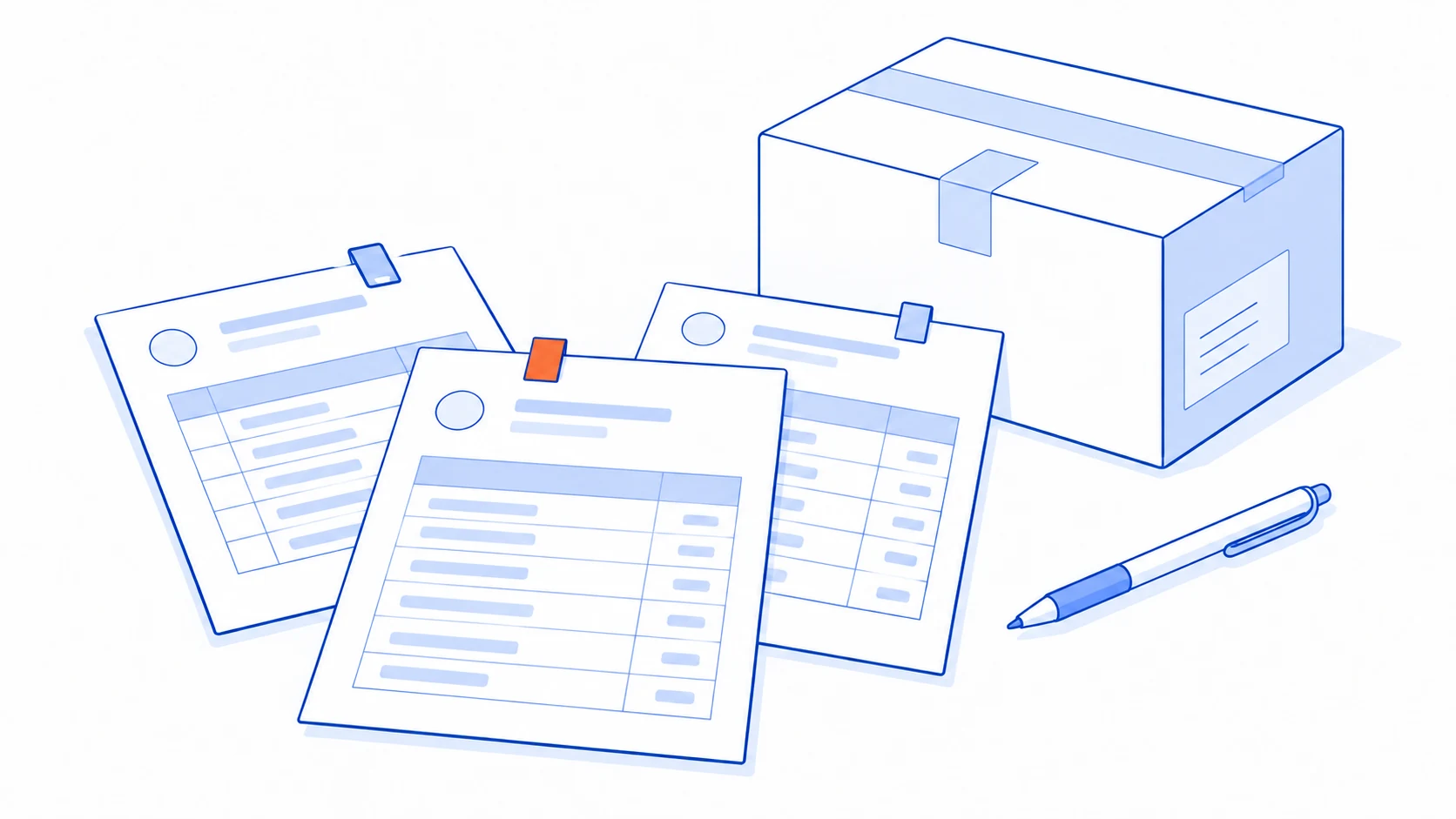
Three-way purchasing checks begin with three practical questions: what was ordered, what has been received, and what is being invoiced? Equal totals alone can conceal different product variants, goods not yet received, or a receipt quantity already matched to an earlier invoice.
Software can connect records and show differences, but it still needs rules about authoritative documents and accountable decisions. A passed match is one piece of evidence in a process. It is not, by itself, an instruction to release payment.
Each document establishes something different
| Document | What it contributes | Limitation to remember |
|---|---|---|
| Purchase order | Approved items, quantities, prices and conditions | The effective revision must be identifiable |
| Goods receipt | What was received and recorded | Physical receipt may precede quality acceptance |
| Invoice | What the supplier is requesting against supplied items | It may cover several deliveries or omit references |
Microsoft Dynamics 365's invoice matching documentation describes three-way matching through price information compared with the purchase order and invoiced quantities compared with the selected product receipts, with configurable tolerances. The useful distinction is to examine price, quantity and additional charges separately.
Before matching, align units, item identifiers, supplier identity and currency. A document expressed in cartons cannot be compared directly with one expressed in individual units without a confirmed conversion. Similar product descriptions do not establish that two lines refer to the same item.
The order is complete, but the delivery is partial
Suppose a purchase order covers 20 units, the first receipt records 12, and the invoice requests 20. Matching the invoice quantity to the purchase order does not establish whether the invoice can proceed under the agreed process. The actual receipt and the relevant terms still matter.
If the agreement requires billing for delivered quantities, expose the eight-unit difference for review and route it to someone who can reconcile the information. Do not change the receipt to 20 merely to make the check pass. Special terms or advance-payment arrangements need their own established approval route.
When the remaining goods arrive, identify which invoice uses the new receipt and how much of the earlier receipt has already been matched. A quantity fully used for one invoice should not be matched in full again to another. This is a hypothetical process example, not a recommendation to accept a particular payment arrangement.
Service purchasing may rely on an acceptance record for work or deliverables rather than a warehouse receipt. Define the evidence and the person authorised to accept it. An email saying work was sent should not replace evidence of acceptance where the organisation treats those as different events.
Turn differences into work someone can resolve
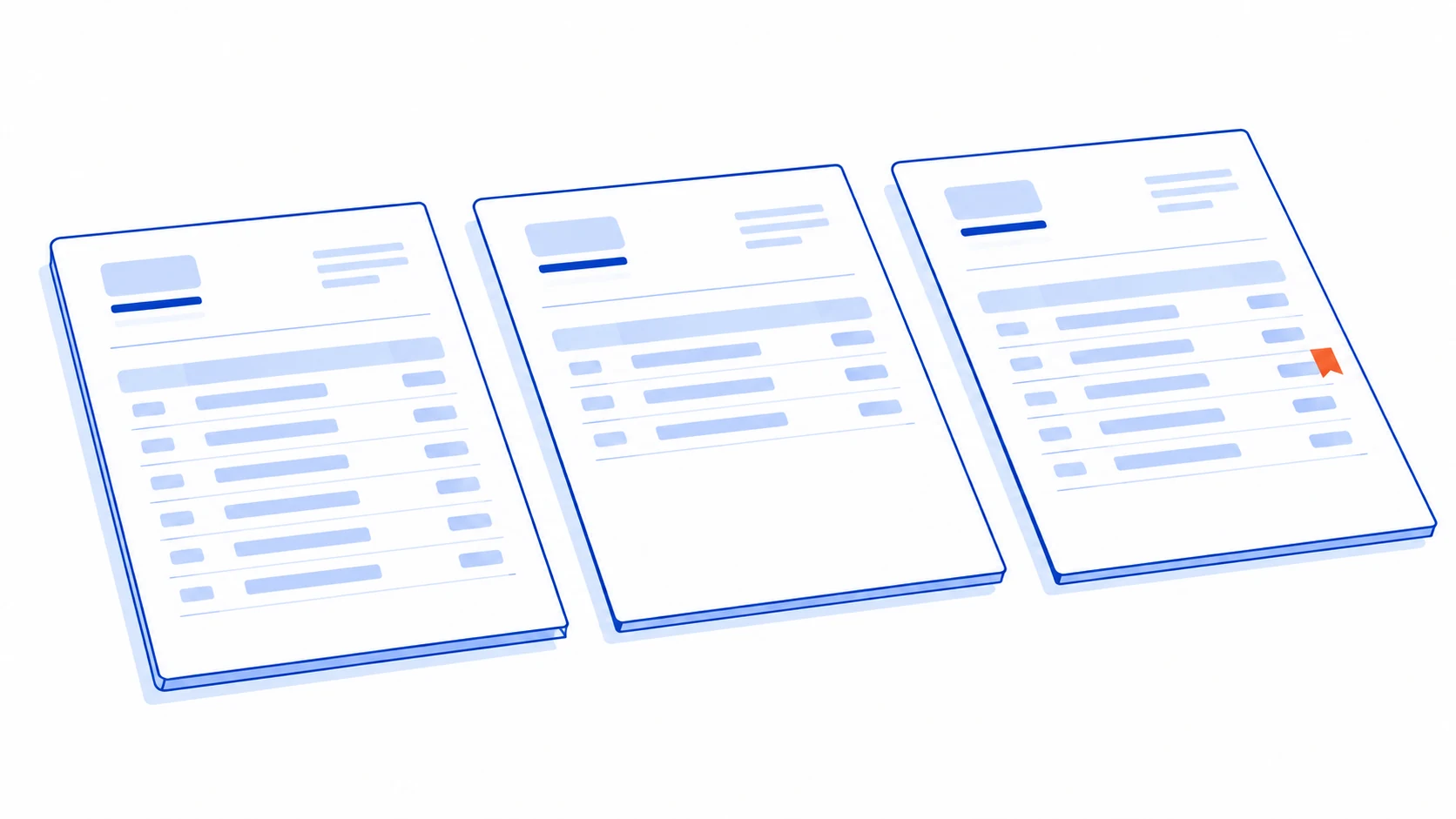
Classify exceptions specifically: missing purchase order, missing receipt, excess quantity, changed price, inconsistent units or additional charges. Route them to the team that can establish the facts. Warehouse staff can check a received quantity without being expected to approve a commercial price change.
A review screen should show related documents together, highlight the affected lines and identify the rule used. Where AI extracts fields from a file, show the relevant source and retain the reviewer's corrections. A high extraction-confidence score must not bypass a receiving or approval condition.
The guide to AI document extraction with human review covers that preparation step. Keep extraction separate from business matching so a reviewer can distinguish a reading error from a genuine difference in the underlying documents.
Agree tolerances with the process owner. Specify whether a tolerance is an amount or a proportion, which items it applies to, and who can approve an exception. Applying one permissive threshold everywhere simply to reduce the review queue can hide the information the check was intended to surface.
Make resolved exceptions reusable as operational knowledge without automatically turning every one-off decision into a permanent rule. A special approval for one purchase may be inappropriate for the next. Record its reason and scope alongside the decision.
Make duplicates and revisions visible
Use supplier identity, document number, document type and relevant context to identify possible duplicates. Preserve the original number even if formatting is normalised for comparison, because prefixes and punctuation can matter. A similar number is a reason to investigate, not sufficient reason to discard a document.
A revised invoice or adjustment document should remain linked to the original under the organisation's process. Reviewers need to see what was superseded and what remains effective. Importing a new file should not automatically create an unrelated additional liability record.
Before use, test partial deliveries, several invoices against one order, extra delivery charges, partial returns and repeated uploads of the same file. Check that each unresolved case reaches an owner with evidence and that repeated processing cannot reuse quantities beyond what the records support.
Retain the matching result with its document versions. If a source document changes later, the earlier result may need review rather than remaining silently marked as current. This is particularly important when receipt corrections arrive after an initial check.
Measure document-search effort, review waiting time and recurring correction reasons, not simply how many files the system can read. If exception decisions are the bottleneck, use the online document approval workflow guide to give those decisions owners and a traceable history.
Still checking several purchasing documents line by line?
Talvyn Labs can connect purchasing, receiving and invoice records, separating matches that meet agreed rules from exceptions that need investigation and approval.
Discuss purchasing document workflows