
A distributor's sales team can spend more effort preparing a quotation than answering the customer's original question. Requested items arrive in LINE messages, PDFs and product documents. Someone has to assemble the request, identify the right catalogue entries, check prices and chase missing details before producing a usable quote.
AI can interpret those requests and prepare a traceable draft. Selling prices, substitutions and delivery commitments still need approved business data and a responsible reviewer. The useful product is a quotation-preparation workspace that staff can finish and approve, with a clear boundary between a suggestion and a commercial commitment.
For businesses with specialised catalogues and existing sales systems, Talvyn Labs develops AI Products and Agents around that workflow: receiving the request, preparing a review screen and connecting approved steps to the systems the team already uses. The scope starts with representative requests from the business.
Keep the whole request together
Consider an illustrative scenario: a customer sends an equipment list as a PDF, then follows up in LINE to change an item and split delivery between branches. Reading only the original attachment could produce a complete-looking quotation based on an outdated request.
The system should group related messages, retain the source for each proposed field and show which version is being reviewed. A later quantity change should be visible, with a deliberate choice to revise the draft or create another version. Every incoming message should not automatically become a new order.
The integration must also use an authorised, supported channel. The LINE Messaging API documentation describes receiving events through webhooks. That provides a route for incoming messages. Interpreting the request and connecting it to a quotation workflow are additional product decisions, shaped by the business's systems.
Separate interpretation from verification
| Step | What AI can prepare | What authoritative records must establish |
|---|---|---|
| Read the request | Proposed items, quantities, units and requirements | Original wording and any unreadable content |
| Match products | Candidate catalogue entries for the customer's description | Model, specifications, selling unit and product status |
| Prepare pricing | Structured items ready for a price lookup | Customer-specific prices and discount permissions |
| Draft the quotation | A document and a list of unresolved fields | Tax rules, sales terms and the approving person |
| Send the quote | The reviewed file and accompanying message | Approval to send and a record of the version sent |
Amounts should be calculated by testable business rules. A language model should not invent a total from prose. Products with similar names but different specifications should remain unresolved until checked. Fluent wording is not evidence of correct product selection.
Available stock also does not mean stock has been reserved. Show the data source and the time of the check. Reserving items or committing to a delivery date needs a separate approval step owned by the responsible team.
The review screen is part of the product
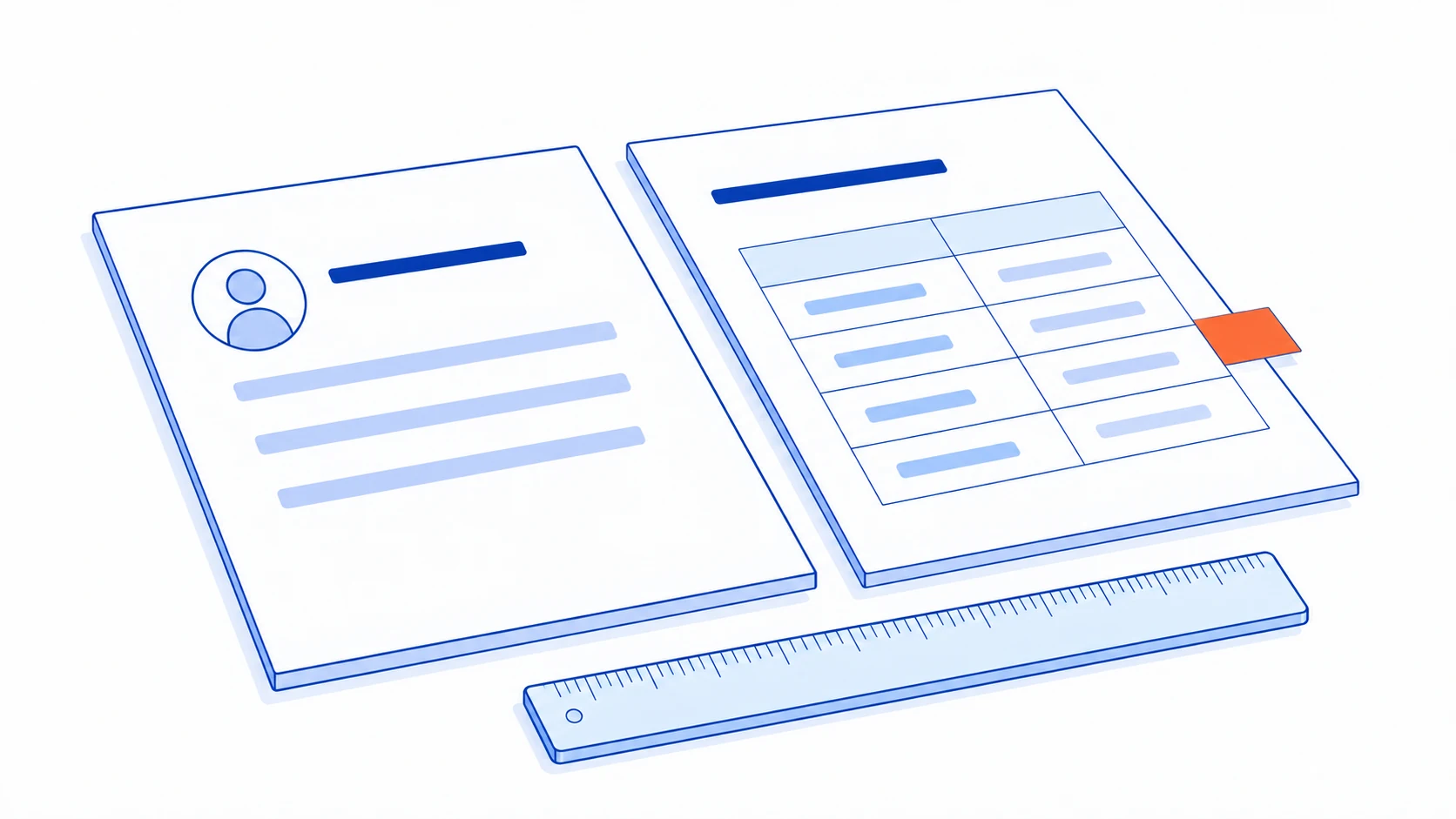
Reviewers need the original request beside the proposed rows. They should be able to inspect the supporting message and correct a product code, quantity or unit without rebuilding the entire quote. Missing products, incomplete information and policy conflicts should be easy to find before approval.
Another illustrative request is “the same as last time.” The system may retrieve purchase history the user is permitted to see and propose a reference, but it should identify the transaction it used. If several models appear in that history, it needs clarification. Automatically choosing the newest entry can be wrong.
Useful corrections should retain a reason, such as a newly confirmed model or a price awaiting approval. Those records distinguish extraction mistakes from catalogue-matching problems and stale source data. Without that distinction, changing the model can become an expensive response to the wrong problem.
Start with a draft before adding transactions
A reviewable first scope is one input channel, one draft workflow and human approval. AI reads authorised records but does not change sales records. That makes it possible to compare draft quality with the existing process without hiding errors behind downstream automation.
If the product later creates a quotation in another system, it must confirm that the destination accepted the operation, prevent duplicate submissions and return a reference staff can inspect. A destination timeout should lead to a pending-review state. Completing the AI response is not proof that the quotation was created.
The next stage, after the customer confirms a purchase, is covered in turning chat messages into sales orders. That workflow handles order confirmation and duplicate prevention. Its starting point and business outcome differ from a request for quotation.
Decide whether the work merits a pilot
This is worth evaluating when requests arrive regularly, interpretation and product matching consume staff attention, and reliable product and pricing sources have identifiable owners. If customers already submit complete standard forms, ordinary rules and integrations may cover the need.
Measure the journey from request receipt to an accepted draft, including clarification and correction. Record how often staff replace a proposed product, which drafts require rework and why the system cannot complete a request. Model response time alone cannot establish that the sales team is faster.
For a bilingual implementation, test actual product names, units and abbreviations in both languages, including mixed-language requests. Translating catalogue titles into English does not establish that the correct product code will be selected. Coverage must be checked against the requests the team receives.
Bring a real workflow to the scope discussion
Prepare authorised or redacted request examples, a catalogue sample, quotations the team considers acceptable and the current approval process. Identify where prices live, who maintains them and how the destination system can be connected.
A useful scope specifies the inputs, review interface, approvals, integrations and acceptance criteria. If product identification is the main obstacle, start with AI catalogue search. To compare delivery options, use the guide to buying AI software or developing a custom agent.
Build an AI quotation workspace for your sales team
Bring Talvyn Labs sample requests, a catalogue and your approval process to scope the review interface and connections to your sales systems.
Scope your sales AI product