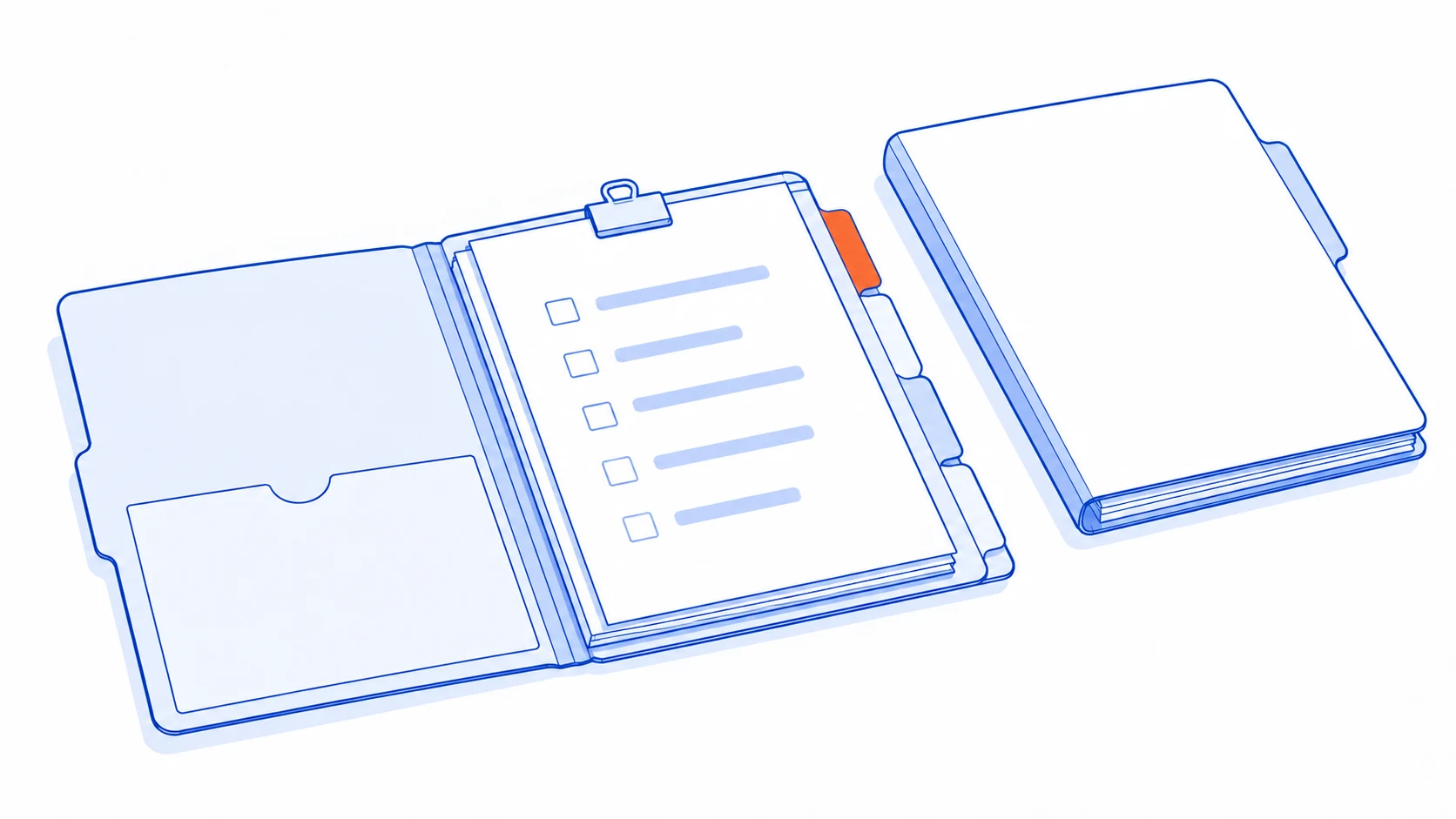
Sales has sent the quotation, yet the delivery team still needs to ask which version was agreed, who approves the work, and whether the date mentioned by the customer is a start date or a completion date. If those answers sit in private conversations, a handover can appear finished while the next team cannot begin.
A useful handover makes commitments visible, identifies what remains unresolved, and lets a receiving owner accept a defined scope. The quotation is part of that record. It rarely contains every detail required to organise delivery.
Start with the questions that keep returning
Review recent handovers and list what the receiving team had to ask. Separate information already available in a system from knowledge held only by the salesperson. Then distinguish recurring questions from details that depend on the kind of work sold.
A long compulsory form for every project can encourage people to enter filler just to proceed. An installation may require site-access conditions; a design job may need the approved reference files and the decision-maker. Required information should follow the work type rather than forcing unrelated questions onto every sale.
| Information group | Question the handover should answer | What is still incomplete |
|---|---|---|
| Scope | What will be delivered, and what is excluded? | A quotation with no confirmed version |
| Timing | Which dates are agreed and which are expectations? | Only a note saying urgent |
| People | Who coordinates, decides and accepts the result? | One name without a defined role |
| Dependencies | Which files, inputs or site conditions are needed? | A promise to send information with no follow-up owner |
| Special terms | What differs from the standard offer? | A commitment hidden in a private message |
Allow “not yet known” where it is legitimate, but attach an owner and a review point. An unresolved question is different from an accidentally empty field. That distinction lets the delivery team decide whether some work can begin or the whole item needs to wait.
Keep the form usable by linking to supporting records instead of requiring people to paste the same history repeatedly. The key decision and current version should remain visible even when a reader does not open every attachment.
Make receipt of the work a visible step
Name a receiving owner. “Sent to operations” does not establish who will review the information or put the work into a queue. The recipient should be able to accept, request specific information, or accept only the clearly defined part that is ready.
Possible handover states are draft, awaiting review, more information needed and accepted. Keep them distinct from the commercial state of the deal. A won sale does not prove operational readiness, and complete delivery information does not prove that every agreed commercial condition has been satisfied.
When information is missing, return a clear list to someone who can resolve it. Avoid a sequence in which each new recipient discovers another missing detail. A useful notification links to the work and names the required action rather than saying only “please check.”
Some CRM tools can support structured notes. HubSpot Playbooks, for example, supports required questions and notes in the context of customer or deal records, with capabilities and access depending on the subscription. The team still needs to agree who accepts a handover and what permits work to start.
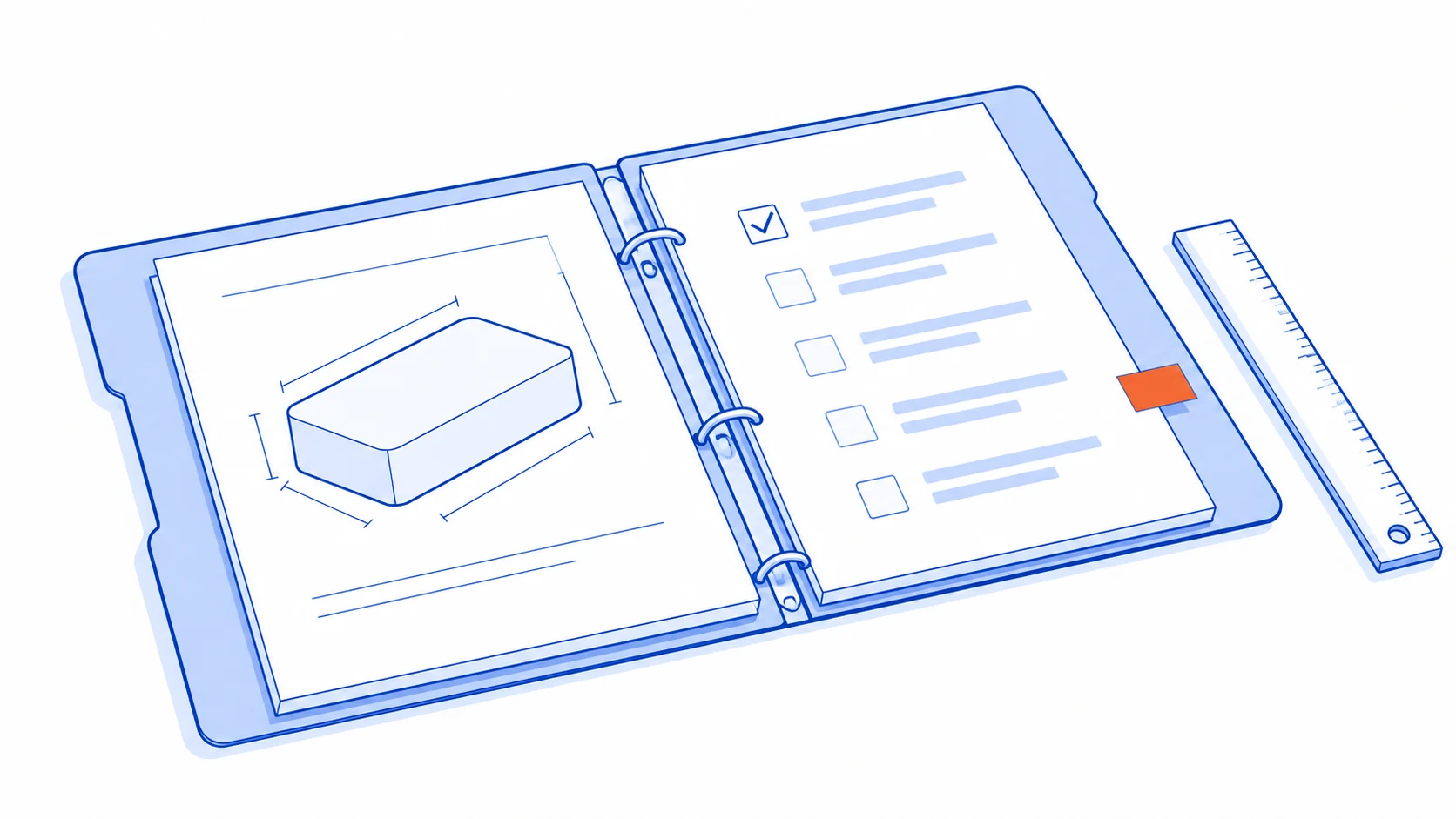
A project is confirmed, but the source files are missing
Consider a hypothetical design job that has been confirmed while the customer's source files are outstanding. Sales should identify the missing files, the follow-up owner and any agreed relationship between receipt of complete inputs and delivery dates. If that relationship has not been agreed, record it as unresolved rather than inventing a commitment.
The design team might accept a limited piece of preparation, such as reviewing the direction and deliverables, while keeping file-dependent work separate. When files arrive, someone checks completeness and informs the receiving owner. The process should not rely on sales and delivery each assuming the other is following up.
If the customer replaces the files or requests more scope after handover, record the change and its potential effect on work and timing. The relevant decision-maker can then see what needs renewed agreement. Overwriting the original form without history can leave people working from different versions.
This scenario illustrates separating ready work from dependencies; it is not a rule to begin every project before inputs are complete. Where missing information prevents meaningful progress, use an explicit hold reason and a named person responsible for resolving it.
Connect systems where it removes repeated entry
Customer identity, the deal reference, sold items and the agreed document version should come from their existing authoritative records. If delivery uses a separate project system, pass the relevant information with a shared reference and confirm that the destination work item was created. A delivered notification is not proof of a created project.
Decide where each kind of information is maintained. Contact information may belong in the CRM while delivery instructions belong in the project system. Copying every field everywhere without a clear source makes later corrections more difficult to coordinate.
Measure the time from submission to acceptance, the rounds of additional questions and the reasons work cannot start. Read these alongside quality and scope changes. Encouraging people to accept incomplete work just to improve a handover metric defeats the purpose of the process.
For clearer boundaries, see project briefs and acceptance criteria for websites and web apps. If a condition needs approval before handover, the online document approval workflow guide explains how to make the decision and its owner explicit.
The deal is won, but delivery still cannot start?
Talvyn Labs can help connect sales records to delivery work, define the handover checks and give owners a clear view of missing information before the next team takes over.
Improve your sales handover