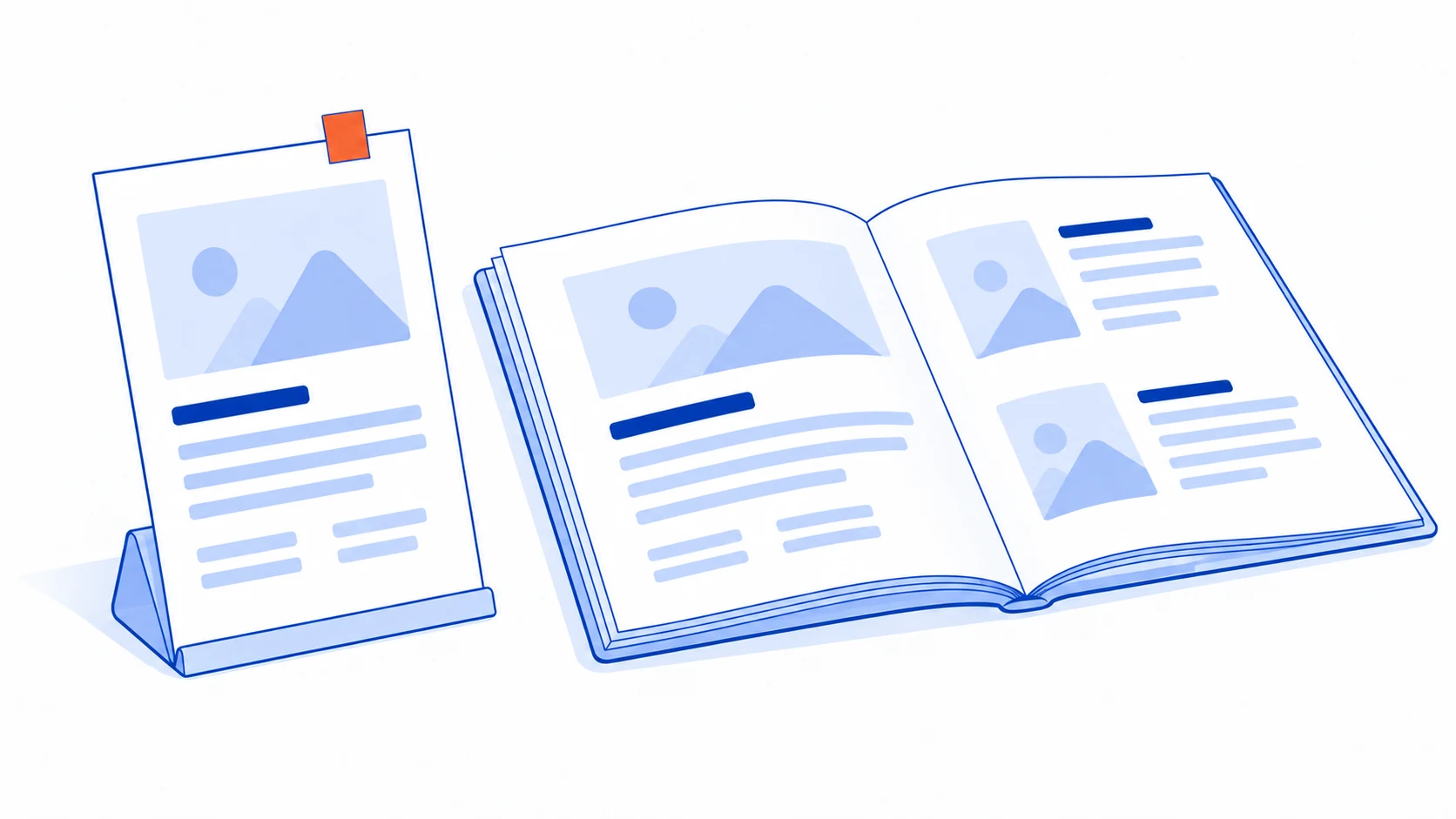
When choosing between a landing page and a company website, the first question is not the page count. It is what visitors already know and what they need to decide next. One page may suit a specific offer while being insufficient to explain several services.
The two can work together. A company website provides a durable base of information about the business. A landing page addresses a particular interest or campaign while retaining access to information needed for an informed decision.
A visitor from a specific campaign should immediately recognise the subject
Suppose a business promotes a review of existing systems. Someone arriving from that message should find the review scope, preparation requirements, agreed deliverables and a clear contact route. They should not need to read every unrelated service to determine whether they reached the right place.
A focused page can continue the conversation started before the visit. Google Ads' explanation of landing-page experience considers the relevance and usefulness of the destination to someone clicking an advertisement. This does not imply that every explanation should be reduced to the shortest possible text.
Where a service has conditions or limitations, provide enough information to evaluate it. Hiding relevant constraints behind a form merely to collect more submissions can leave the team handling avoidable mismatches. Claims should remain within what the business can substantiate.
A visitor unfamiliar with the business may need a wider picture
Someone comparing providers may need to understand the team's services, working process and what to prepare for an initial conversation. A company website organises this information into destinations that people can revisit or share with colleagues.
For several services, make their respective purposes clear. Combining everything into one broad page can make each explanation too vague. More pages are useful when they give distinct questions a discoverable answer, not simply to make the website larger.
Use genuine evidence with permission. Where client names or work cannot be disclosed, explain the process, scope and deliverables accurately instead of inventing results or case studies to fill the space.
An existing website can also host focused campaign pages
A campaign does not automatically require a separate system. A focused page can sit within the existing website, sharing identity and common information while arranging its content around the intended audience.
Define what remains shared, such as contact details and confirmed service information, and what belongs to the campaign, such as an application period or event topic. This prevents old conditions remaining on one page after a shared fact changes.
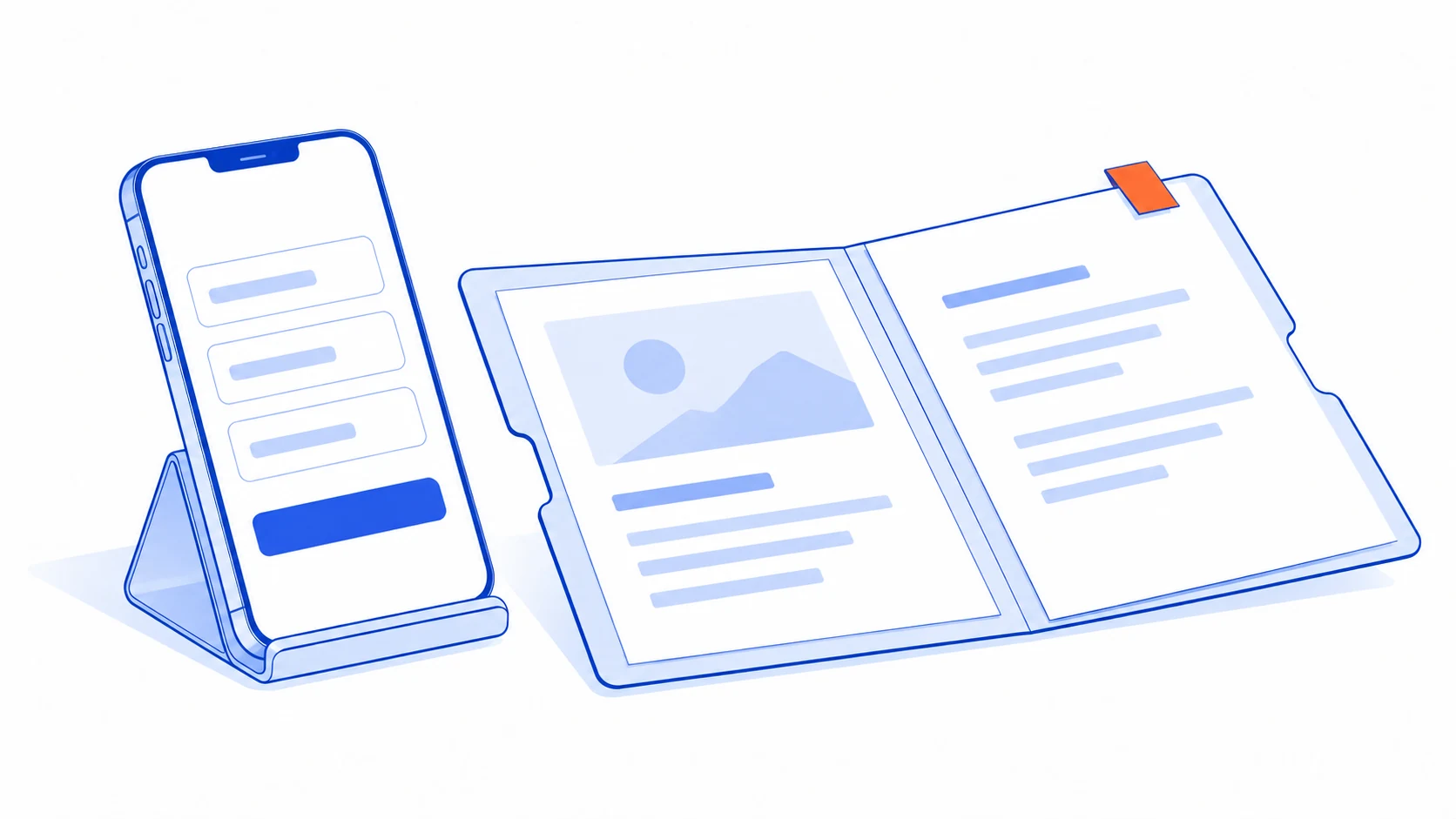
Reducing navigation can help focus some pages, but should not make business identity, conditions or necessary information impossible to find. Test the visitor's actual task instead of treating the removal of every exit as a universal rule.
For two languages, keep the content relationship and campaign state clear. The contact route offered in each edition should lead to a team capable of handling that enquiry.
Consider what must remain maintainable after launch
A one-page experience still requires ownership. Multiple offers, languages and campaign rounds can create many copies. Establish how the team changes information, checks expiry dates and retires an offer.
If the company website already explains the business well, a focused page may be a clearly bounded addition. If essential service information and credible contact routes are absent, a collection form alone may leave important customer questions unanswered.
Ask the delivery team to explain the handover and ongoing responsibilities: writing, images, forms, enquiry handling and measurement. Page count and a visual mockup do not describe the full operation.
Plan the end of the campaign as well as the launch. Decide whether the page will remain as useful information, direct readers to a relevant current option or clearly state that the activity has ended. Avoid leaving an apparently active form attached to an offer nobody now handles.
Measure the journey through to a usable enquiry
Define the primary action, such as asking a question, arranging a conversation or requesting information. The button label should match what happens next. Visitors should understand what they need to provide and how the information will be used.
Button clicks alone do not prove that useful enquiries arrived. Check form submission, confirmation and delivery to the responsible team. Separate duplicates and irrelevant messages from enquiries the business can actually progress.
After launch, compare results with the objective and audience context. Changing the page, traffic source and offer simultaneously can make it difficult to identify what caused a difference. Preserve the conditions of a trial so its outcome remains interpretable.
For a company site, begin with the business-enquiry checklist. If the editing approach is still undecided, review WordPress and additional development to plan how the team will maintain these pages over time.
Planning a website or landing page, but unsure what customers need to see?
Talvyn Labs can connect audience intent with the right information and contact route, while preparing the team to handle what comes next.
Plan the right page for your business goal