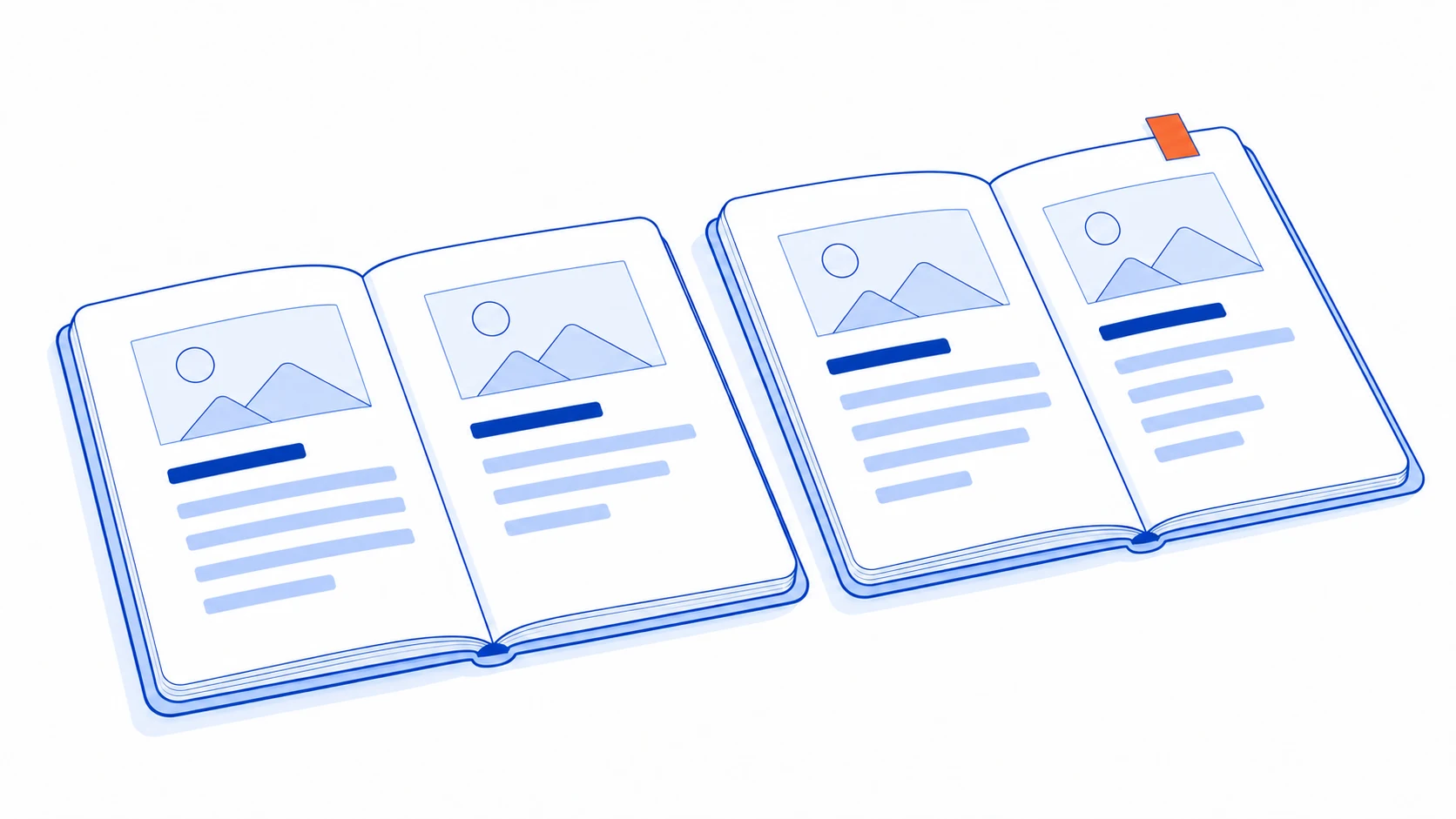
A bilingual website is not finished when its homepage has been translated. Problems often appear later: a service changes in only one language, an English article remains a draft, or the language switch takes readers away from the subject they were reading.
A manageable system links the editions as one content item while giving each language appropriate wording, links and a visible publication state. Start with the team's workflow before choosing an editing interface or translation extension.
Define which content must be complete in both languages
List the essential pages readers need, such as services, contact information and explanations of the working process. Distinguish these from content that may follow later, such as articles or news. This avoids navigation implying that an entire language edition is ready when its destinations are incomplete.
Decide whether editions must launch together or can be published independently. If their timing differs, explain that the other edition is not ready without creating an empty page or exposing an unchecked translation.
Keep the content item's identity separate from its title and address. Natural titles and URLs may differ between languages, while the system still knows which two pages correspond.
Separate shared facts from language-specific writing
Facts such as available services, contact routes and operational states need a source the team agrees on. Headings, explanations, buttons and captions should be written naturally for each audience.
The same illustration can serve both editions when its meaning suits both. Its text alternative and caption should match the page language. If words are embedded inside an image, the image version also needs attention; translating the surrounding paragraphs is insufficient.
Apply consistent rules to dates, units and number formats. Check that readers receive the same substantive meaning. Translation should not change service conditions or introduce promises absent from the original.
Maintain a practical terminology list, particularly for service names, process steps and recurring system concepts. It is not necessary to force a translation of every technical term when the familiar business wording is clearer.
Use states that reveal the next task
“An English version exists” is not enough after the Thai text has changed. The team needs to know which source version a translation follows and what changed after its last review.
A workflow might progress through source draft, translation, meaning review, page review and ready to publish. When an important fact or condition changes, flag the corresponding edition for review and assign responsibility.
If AI assists with translation, a reviewer still needs to inspect meaning and context, particularly negation, scope and numbers. Check that links lead to the appropriate language too, rather than reviewing isolated sentences outside the page.
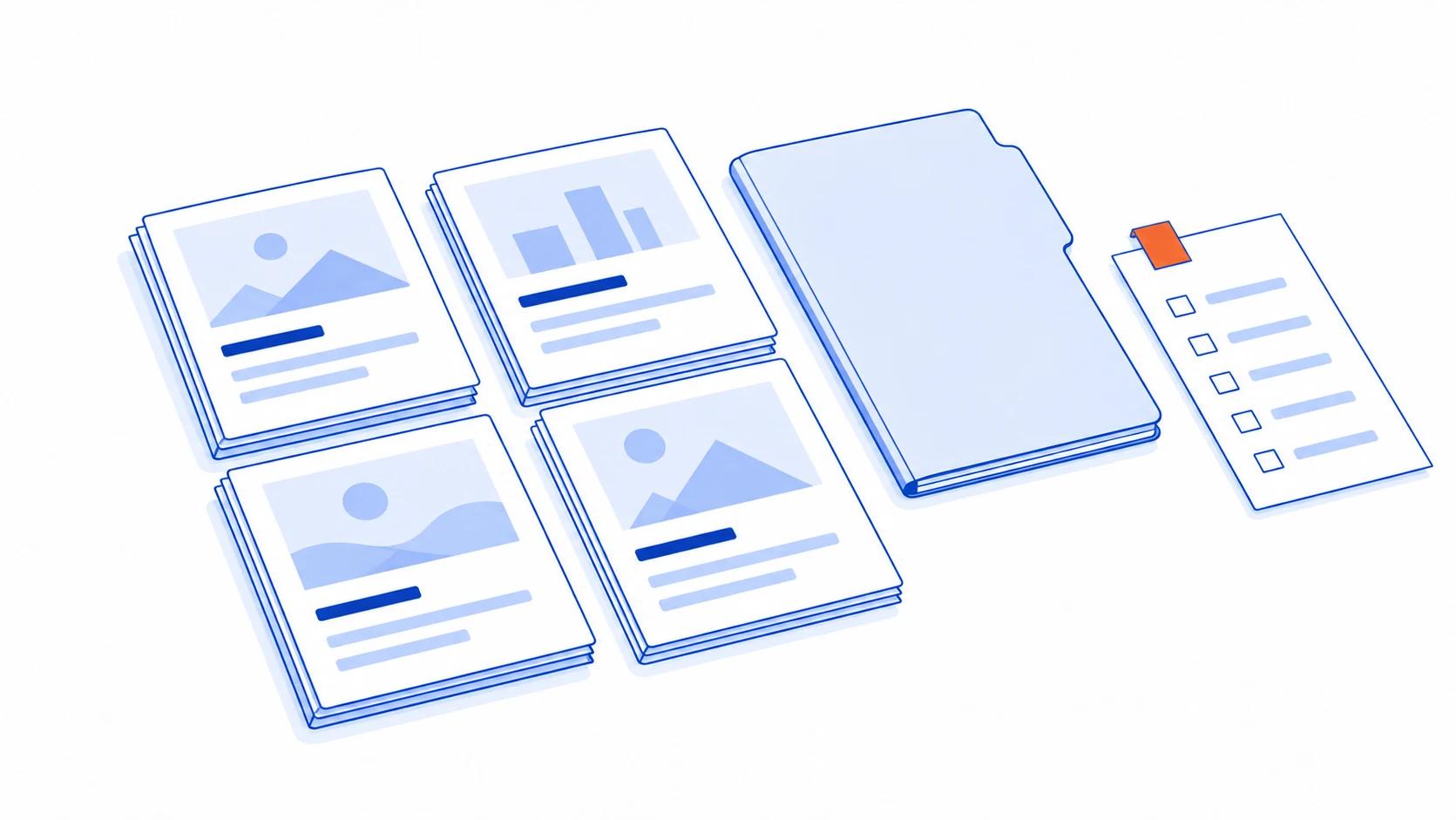
Keep language switching on the current subject
When a published counterpart exists, the switch should open the matching service or article. Sending readers back to the homepage makes them search again and leaves uncertainty about whether that particular content has been translated.
If no counterpart is ready, communicate the state honestly and provide an appropriate route to available content in that language. Avoid presenting a completed language switch that silently repeats the original-language content.
For search systems, Google's guidance on language versions describes relationships between edition URLs, including each edition identifying itself and its counterparts. Those relationships should match pages that actually open, rather than pointing to drafts or empty destinations.
These signals help describe the relationship between pages. They do not guarantee discovery or a particular position in results. Useful content and accessible public pages remain necessary.
Test the workflow and the rendered pages in both languages
Before publication, examine long titles, substantial paragraphs, tables and images. Check line wrapping, buttons and narrow screens. Thai and English occupy space differently, so reviewing only short example text can miss layout problems.
Change a source passage and verify that translation review becomes visible. Test independent publication, adding a counterpart later and withdrawing one edition so navigation and language links continue to match the actual state.
Assign terminology ownership and final review, and retain a history of which version was approved. A workable bilingual system shows outstanding tasks without requiring someone to remember every page that was recently edited.
Include routine maintenance in the handover. The team should know how to locate a counterpart, identify an outdated translation and preview the final page before it becomes public.
For WordPress, examine the editing and custom-development considerations. Put bilingual scenarios into the website acceptance criteria from the beginning.
Two website languages, but every update requires checking pages one by one?
Talvyn Labs can structure language pairs, define translation review and create an editing workflow that makes each edition's state clear.
Plan a manageable bilingual website